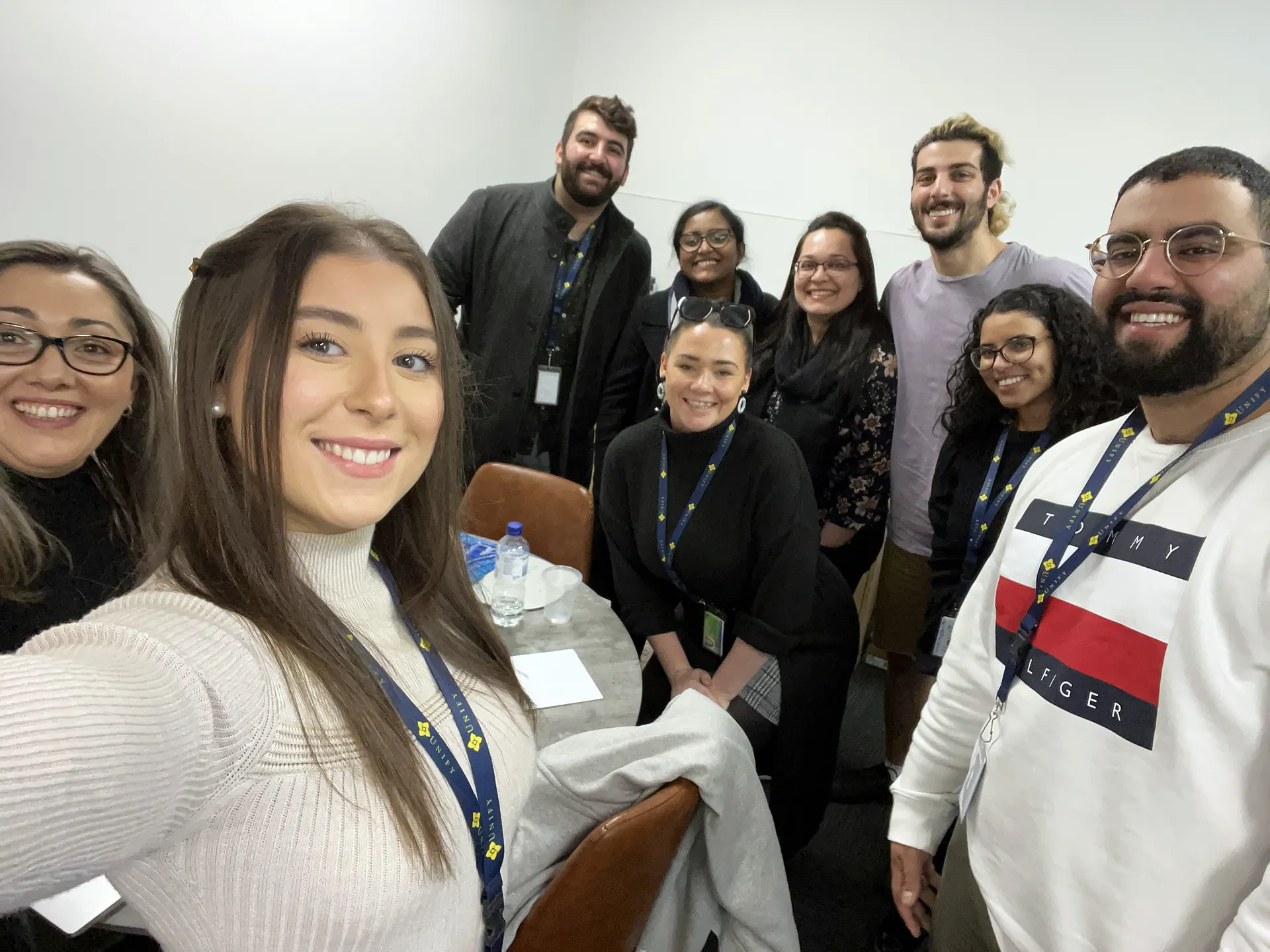
Are you looking for a fulfilling career that makes a difference? NDIS careers in Australia provide countless opportunities for graduates and professionals to support people with disabilities.
This growing sector is ready to welcome you with various allied health roles that match your skills and passion, both for fresh graduates and experienced professionals.
Ready to explore the many career opportunities in NDIS? Read more to discover the path that’s right for you!
What is the NDIS?
The NDIS (National Disability Insurance Scheme) provides funding to eligible people with disability across Australia, helping them gain independence, build new skills, find jobs, volunteer, and improve their quality of life. Participants can also choose NDIS self-management.
Beyond funding, the NDIS connects individuals to community services like doctors, support groups, and schools and offers guidance on available support across states and territories.
The NDIS supports hundreds of thousands of Australians, including many children with developmental delay.
NDIS Career Opportunities: What Jobs and Career Paths are Out There?
Disability support worker
A disability support worker helps people with disability in their daily lives, promoting a culture of inclusivity. This role is typically based in homes, community settings, or healthcare facilities.
Key skills needed include empathy, clear communication, patience, and flexibility. These skills are important to do daily tasks, such as:
- Assistance with daily life and personal care
- Helping with home tasks like cooking and cleaning
- Supporting with shopping and community outings
- Encouraging social activities and providing emotional support
To become a Disability Support Worker, it’s recommended that you have a CHC33021 Certificate III in Individual Support (Disability) or a CHC43121 Certificate IV in Disability Support, along with practical experience.
Support coordinator
A support coordinator assists NDIS participants in navigating their support and services. There are three levels of support coordination:
- Support connection: Basic linking to services.
- Support coordination: Ongoing support management.
- Specialist support coordination: For complex needs.
This role involves working with participants to achieve their goals and access the right services. Support coordinators can be found in registered or independent service providers.
No formal qualifications are mandatory to pursue this career. However, your CV will stand out more in the recruiter’s eyes if you have experience in social work, disability, or community services.
Psychologist
A psychologist in the NDIS provides tailored intervention support to help individuals achieve their goals.
You will assess participants, create personalised plans, and deliver intervention approaches that address emotional, behavioural, NDIS mental health support, and cognitive needs. Then, you’ll need to create reports based on the NDIS requirements.
Formal requirements for an NDIS psychologist include a relevant degree in psychology, registration with the Australian Health Practitioner Regulation Agency (AHPRA), and ongoing professional development.
Occupational therapist
An occupational therapist (OT) helps people of all ages who struggle with everyday tasks by providing practical solutions to improve independence, such as new techniques, environmental changes, or assistive equipment.
These roles work closely with patients by assisting with self-care, work, social activities, and rehabilitation, supporting those with disabilities, mental health issues, or recovery needs.
To qualify, you must complete an accredited occupational therapy degree, including clinical placements, and register with AHPRA.
Speech therapist
Also known as a speech pathologist, a speech therapist helps improve communication and language skills in individuals of all ages who face speech disorders, language comprehension issues, or cognitive-communication difficulties.
Speech therapy involves tailored exercises and techniques to enhance abilities like speech clarity, voice use, and language understanding. It is beneficial for conditions like aphasia, dysarthria, apraxia, and fluency disorders.
To work as a speech therapist (speech pathologist) in the NDIS, you must follow the NDIS Code of Conduct and are generally expected to be a Certified Practising member of Speech Pathology Australia.

Frequently Asked Questions
How do I start working in NDIS?
Requirements depend on the role. Check relevant qualifications, professional registration, employer requirements and worker screening. Employee screening is different from registration of a service provider.
How do service prices relate to pay?
NDIS service prices are not a worker’s wage or a guarantee of business profit. Staffing, supervision, administration and other costs affect a provider’s finances. Employees can check pay entitlements through Fair Work.
Is there a demand for NDIS workers?
Yes, the demand for NDIS workers is high due to the increasing number of participants, making it a growing and secure career path.
Conclusion
NDIS careers provide rewarding opportunities for new graduates and experienced professionals to support individuals with disabilities. You will contribute significantly to the well-being of NDIS participants.
As demand continues to rise, there’s never been a better time to explore careers in this growing field. Ready to start your NDIS career journey? Contact Unify Disability Services today to discover the right opportunity for you and make a meaningful impact.