Functional behaviour assessment
A detailed look at why behaviours of concern happen and what helps.
Specialist positive behaviour support
Behaviour support plans shaped around your goals, rights and everyday needs.
At a glance
A detailed look at why behaviours of concern happen and what helps.
Practical strategies, skills and environmental changes, with specialist safeguards.
Discuss authorisation, implementing-provider responsibilities and plans to reduce use.
Training for your supporters, then monitoring and updating the plan as needs change.
Check the behaviour-support funding and support items in your plan. Capacity building categories are not interchangeable; Improved Daily Living therapy is not an automatic substitute for specialist behaviour support. Agree on assessment, planning, training and report charges before work starts.
NDIS price limit per hour, national · 2026–27
Work out your costs →The full guide
Your preferences and communication needs matter throughout. Ask about the practitioner’s experience, suitable appointment formats and how information will be shared.
Specialist behaviour support providers must hold registration group 0110 and engage practitioners the Commission considers suitable. These requirements also apply to plans without restrictive practices. See the Commission’s provider and practitioner rules.
Regulated restrictive practices need specific safeguards and authorisation requirements. A plan is not permission to use any restriction. The aim is to reduce and eliminate their use; seek advice from the practitioner and implementing provider about the requirements for your situation.
Check the behaviour-support funding in your plan and the proposed support items before booking. The NDIA describes behaviour support under Improved relationships. Capacity building categories are not interchangeable.
Therapy under Improved Daily Living is a different support; it is not an automatic substitute for specialist behaviour support. Ask about assessment, planning, training, reports and review charges before agreeing to work.
No. Behaviour support can involve skills, environmental changes and guidance for supporters. If regulated restrictive practices are included, additional safeguards and authorisation requirements apply.
Do not assume this. Capacity building categories are stated and cannot be moved between categories. Check your plan, support items and proposed work with the NDIA or your funding support.
Discuss your preferences, support network, communication needs and information-sharing consent with the practitioner. Ask them to explain any legal responsibilities that also apply.
Real stories
They sent someone who gets my son.
Honestly, I was exhausted trying to find the right supports through the NDIS. But Unify changed everything. Our OT is not just ticking boxes. She's part of our team.
Feels like I've got a whole team behind me now.
I used to have to chase every single therapist, and no one spoke to each other. But with Unify it’s all just... connected. My OT, speechy and behaviour support worker all work together and actually talk to me like a person.
Snapshot · 24 September 2026. Confirm current timing with our team.
Discuss how Specialist positive behaviour support can work alongside your other supports. Talk with your practitioners about shared goals and what information you agree to share.
U-Hub · Guides and news
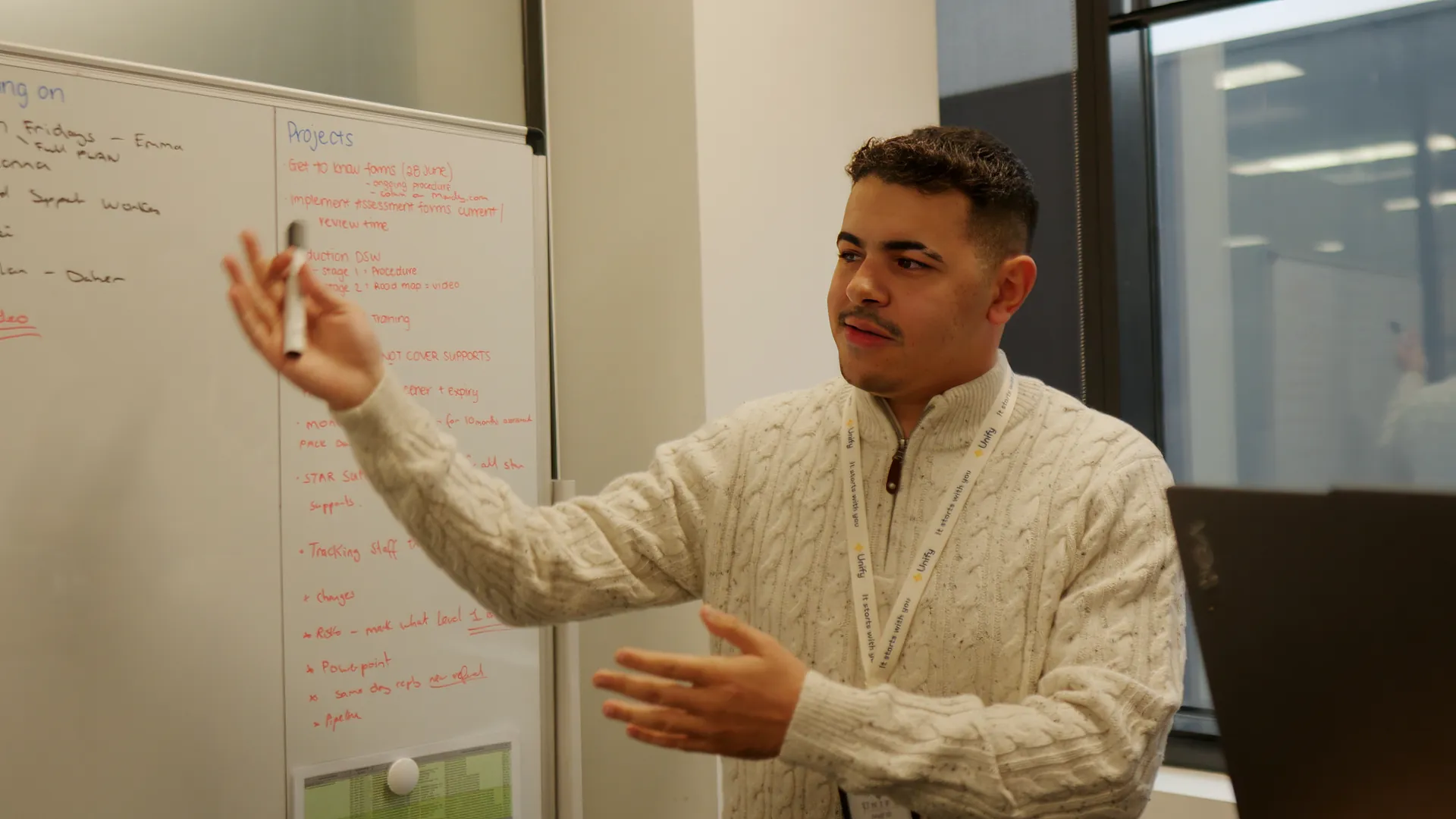
Positive behaviour support practitioner training helps professionals build the practical knowledge to understand people with complex behaviours.
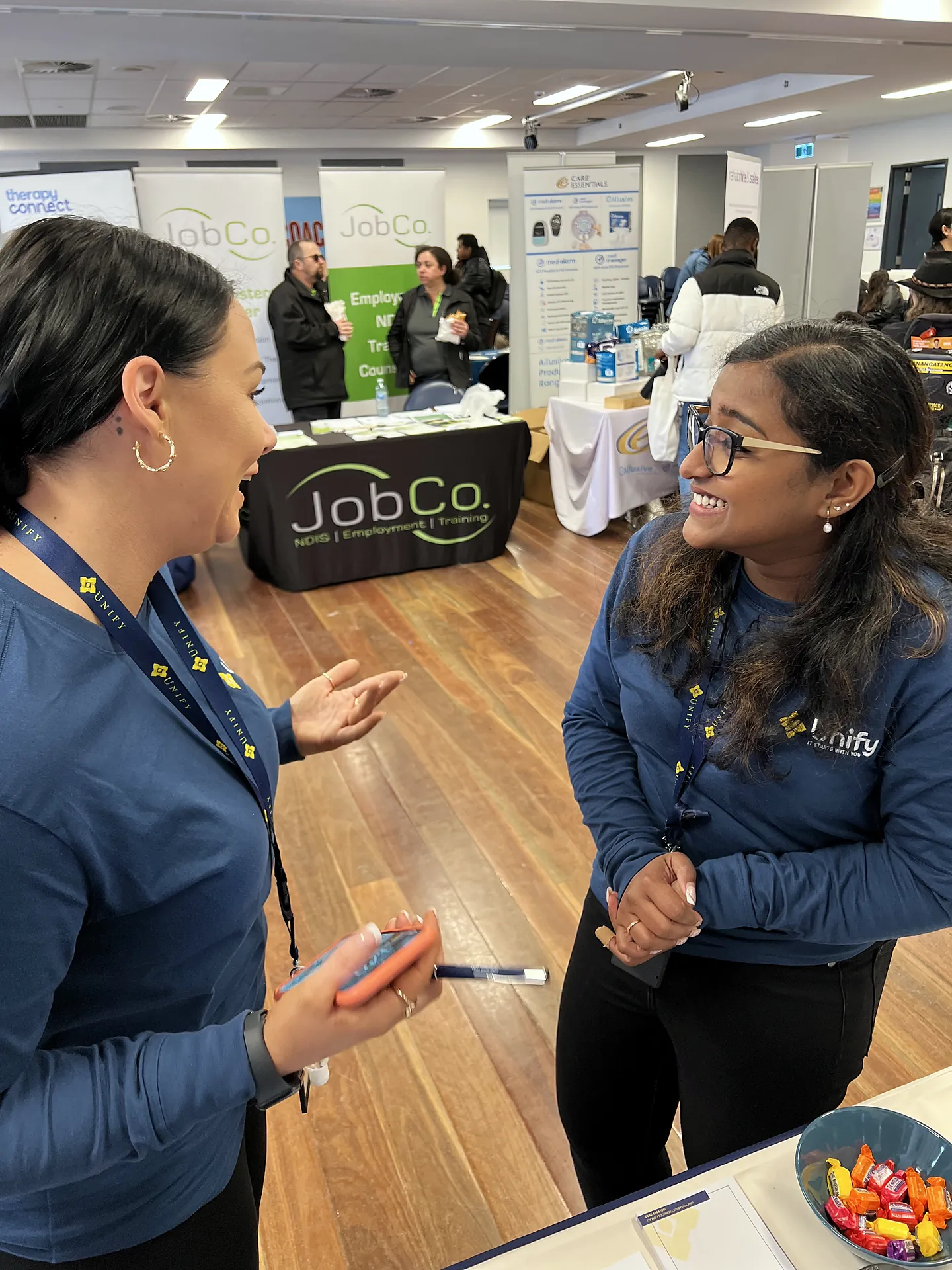
Positive Behaviour Support jobs involve applying strategies that help individuals with disabilities' behaviour to promote positive alternatives.

Understanding a Positive Behaviour Support Therapist is essential because they observe patterns and triggers to identify why a behaviour occurs.

Use the referral form or contact the team to discuss suitability, funding and current availability. This is not urgent crisis care; call 000 in an emergency. Guidance checked 3 October 2026.