NDIS social and community participation is key to helping people with a disability contribute to their communities, join in social activities, and achieve personal life goals.
It’s more than just funding; it’s about providing equal opportunities for every individual to connect, learn, and grow.
To find out more about what this service is, why it matters, and how you can get involved, read on and learn how it can help you achieve your goals!
What is Assistance with Social and Community Participation?
Assistance with Social and Community Participation is an NDIS-funded Core support (Assistance with Social, Economic and Community Participation) that helps people with a disability join social activities, meet people of similar interests, and contribute to their communities.
It provides opportunities for people to build relationships, develop skills, and participate in enjoyable, meaningful activities, from local events to recreational hobbies.
Some common community activities for NDIS social and community participation include:
- Volunteering at local organisations
- Attending social groups or community events
- Going on day trips or short holidays
- Participating in hobby or craft classes
- Joining local sports clubs or fitness classes
- Engaging in art programs
- Going on group outings, such as to the movies or museums
- Attending educational workshops or courses
- Joining disability advocacy or peer support groups
Why is Increased Social and Community Participation Important?
A study by the Australian Institute of Health and Welfare found that social support helps people with disabilities participate in life, reducing isolation, and improving mental and physical health. Family, friends, and the community play an important role in making it happen.
The NDIS social and community participation program brings various benefits for people with disabilities, including:
- Helps you reach your NDIS goals
- Boosts emotional well-being and mental health
- Encourages independence and personal freedom
- Provides opportunities for new experiences and growth
- Strengthens social bonds
- Combats feelings of isolation
- Improves self-confidence and self-worth
- Promotes skill-building
- Supports physical health
- Enhances overall quality of life
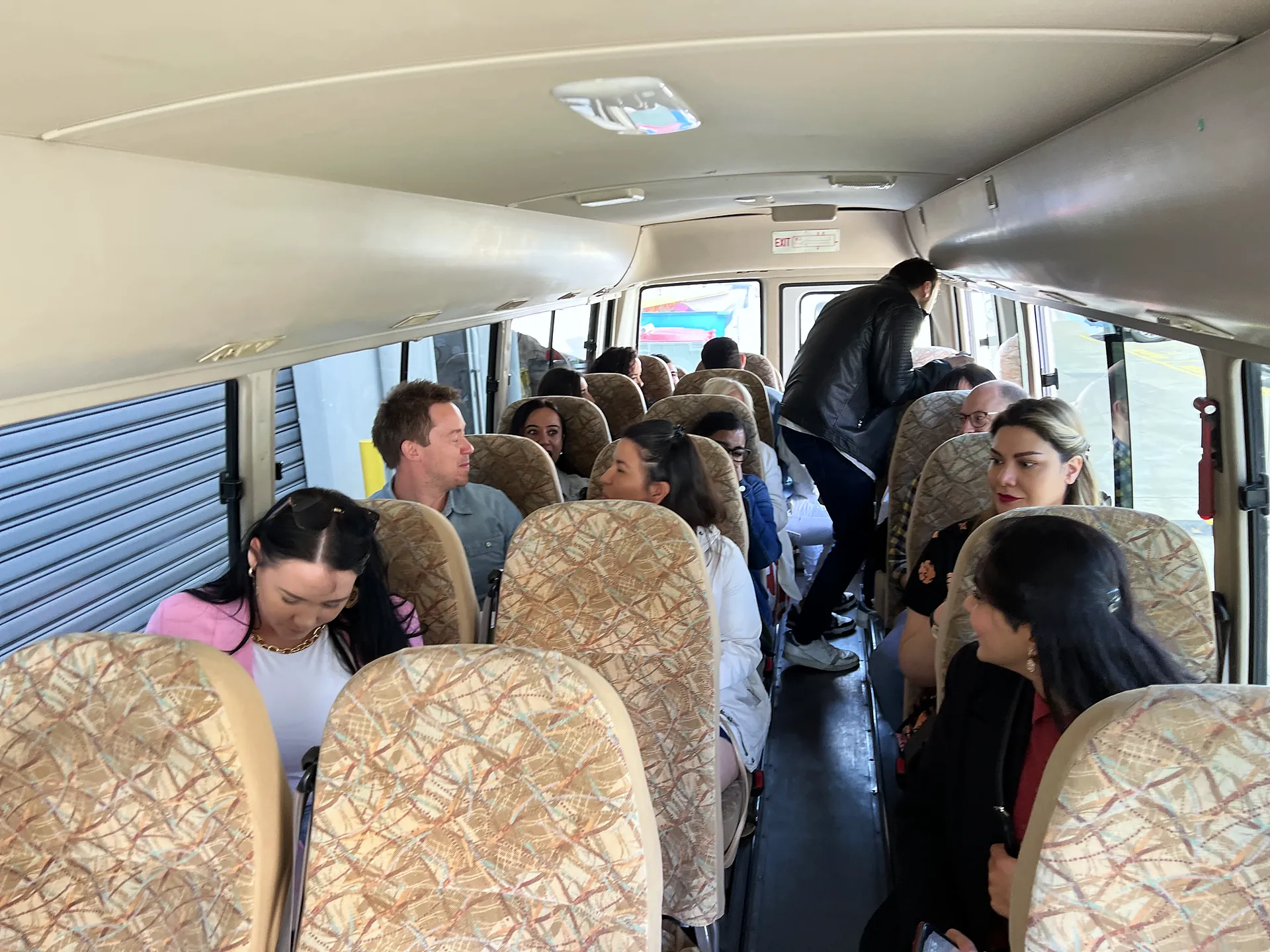
Increased Social and Community Participation Examples
Social and community participation activities for children
Children need to foster social skills, hence the importance of taking part in various engaging activities that promote social interaction and learning. Examples include:
- Joining local sports teams or activity clubs, such as horse riding, martial arts, or dance classes
- Participating in school groups or playgroups
- Taking part in arts and crafts classes
- Attending music or drama groups
- Going on organised playdates to parks, the zoo, or the movies
These activities help children build friendships, learn new skills, and boost their confidence in social environments.
Social and community participation activities for adults
In addition to children, adults also need to participate in a social setting to socialise, learn, and contribute to their community. Activities include:
- Volunteering for local organisations
- Joining interest groups or hobby clubs like cooking, photography, gardening, or sports
- Attending fitness classes or recreational sports
- Participating in workshops like pottery, crochet, or woodworking
- Going on group outings
- Attending cultural events
- Eating out at a local cafe or restaurant
These activities allow adults to make friends while improving their independence and well-being.
Social and community participation activities for older adults
Age doesn’t limit one’s opportunity to participate in a social setting. NDIS social and community participation promotes social connection and maintains physical and mental health for older adults. Examples include:
- Joining walking or gardening groups
- Participating in book clubs or creative classes like painting or knitting
- Attending community centre events or local interest groups
- Going on day trips or group outings to cultural events
- Taking part in yoga, tai chi, or fitness programs
- Learning digital advancements like internet security
These activities help older adults avoid isolation and loneliness while staying active, meeting new people, and continuing to contribute to their communities.
Frequently Asked Questions
What activities will NDIS pay for?
NDIS may fund the support needed for you to participate in a social and recreation activity due to your disability, but you’ll need to cover costs like membership or entrance fees that everyone pays.
What is social, community and civic participation?
It’s engaging in activities that connect you with others, such as social events, volunteering, or community groups.
What are community support examples?
Examples of community supports include help with daily living, transport assistance, and support for social or community activities.
Conclusion
NDIS social and community participation is vital in helping people with disabilities engage in meaningful activities, build connections, and contribute to their communities. It also supports broader disability rights by ensuring equal access to community life. Participation makes a positive difference, whether it’s children learning through play, adults developing new skills, or older adults staying active.
Want to contribute and be more involved in your community? Unify Disability Services can provide the support NDIS participants need to achieve their goals. We offer social and community participation supports in Melbourne and other parts of Australia.
For more information or to get started, contact us today and learn how we can help you participate fully in your community.